Sub-Total: $0.00


This webinar is designed for clinicians who:
- Want to understand the difference between adult-focused EMDR and child & adolescent EMDR
- Are curious about EMDR but unsure how it applies developmentally
- Need a trauma approach that prioritizes safety, regulation, and pacing
- Are considering Child & Adolescent EMDR Basic Training and want clarity before enrolling
Clinicians who work with adults are welcome and will gain clarity on when child & adolescent EMDR training is appropriate and how it fits alongside adult-focused EMDR work.
What you’ll get in this 45-minute webinar:
- A clear overview of using EMDR therapy with children and adolescents
- How EMDR is adapted for the different developmental stages of children and adolescents
- Key differences between applying adult EMDR training and child & adolescent EMDR training
- Real case examples from school, agency, and private practice settings
- A practical walkthrough of the EMDR Institute Child & Adolescent Basic Training
- Live Q&A focused on readiness, safety, and clinical decision-making

Why attend this Webinar?
You’ve seen EMDR discussed everywhere. What’s often missing is clarity about how EMDR changes when you work with children and adolescents—and whether child-specific training is necessary.
This webinar is for clinicians who want to understand:
There are over 50 randomized controlled studies with adults and ten with children supporting EMDR’s effectiveness. EMDR is recognized by the California Evidence-Based Clearinghouse, the World Health Organization, and numerous national and international organizations.

CHILD & ADOLESCENT EMDR VS ADULT EMDR
Key differences include:
- Readiness and consent processes
- Regulation and stabilization strategies
- Use of play, attachment, and caregiver involvement
- Pacing and dosing for younger nervous systems
What Makes EMDR Institute The Gold Standard
EMDR Institute was founded in 1990 by Francine Shapiro, PhD, the developer of EMDR therapy.
The Child & Adolescent Basic Training reflects decades of research and real-world application across:
Training emphasizes safety, structure, and developmental appropriateness.
Meet the Instructors
Both trainers actively work with youth and teach from lived clinical experience.
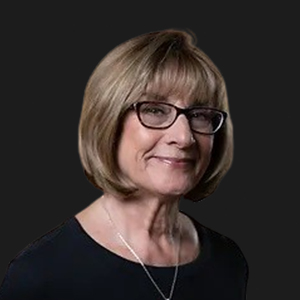
Carolyn Settle, MSW, LCSW
Over 40 years of EMDR clinician and trainer specializing in children, adolescents, and families.


Debra Wesselman, MS, LIMHP
Over 30 years of experience integrating EMDR with developmental and attachment-focused work.

Ready to Get Clear on EMDR With Children & Adolescents?
One focused hour. Real cases. Clear answers.